How to Buy from Alibaba and Ship to Australia (Without Getting Burned) – 2026 Guide
If you’ve ever browsed Alibaba and thought, “Surely it can’t be this easy…” you’re not wrong.
Alibaba can be a brilliant way to source products — but it’s also where plenty of Aussie businesses accidentally sign up for stress, surprise fees, dodgy documentation, or a shipment that turns into an expensive lesson.
This guide breaks down how to buy from Alibaba and ship to Australia properly — with the stuff that actually matters (costs, Incoterms, compliance, and freight decisions that don’t nuke your margins).
Quick note: We’re talking general product-based importing here (e-commerce, retail, private label, parts, packaging, etc.). We’re not covering food and grocery imports.
Step 1: Know What Alibaba Actually Is (And What It Isn’t)
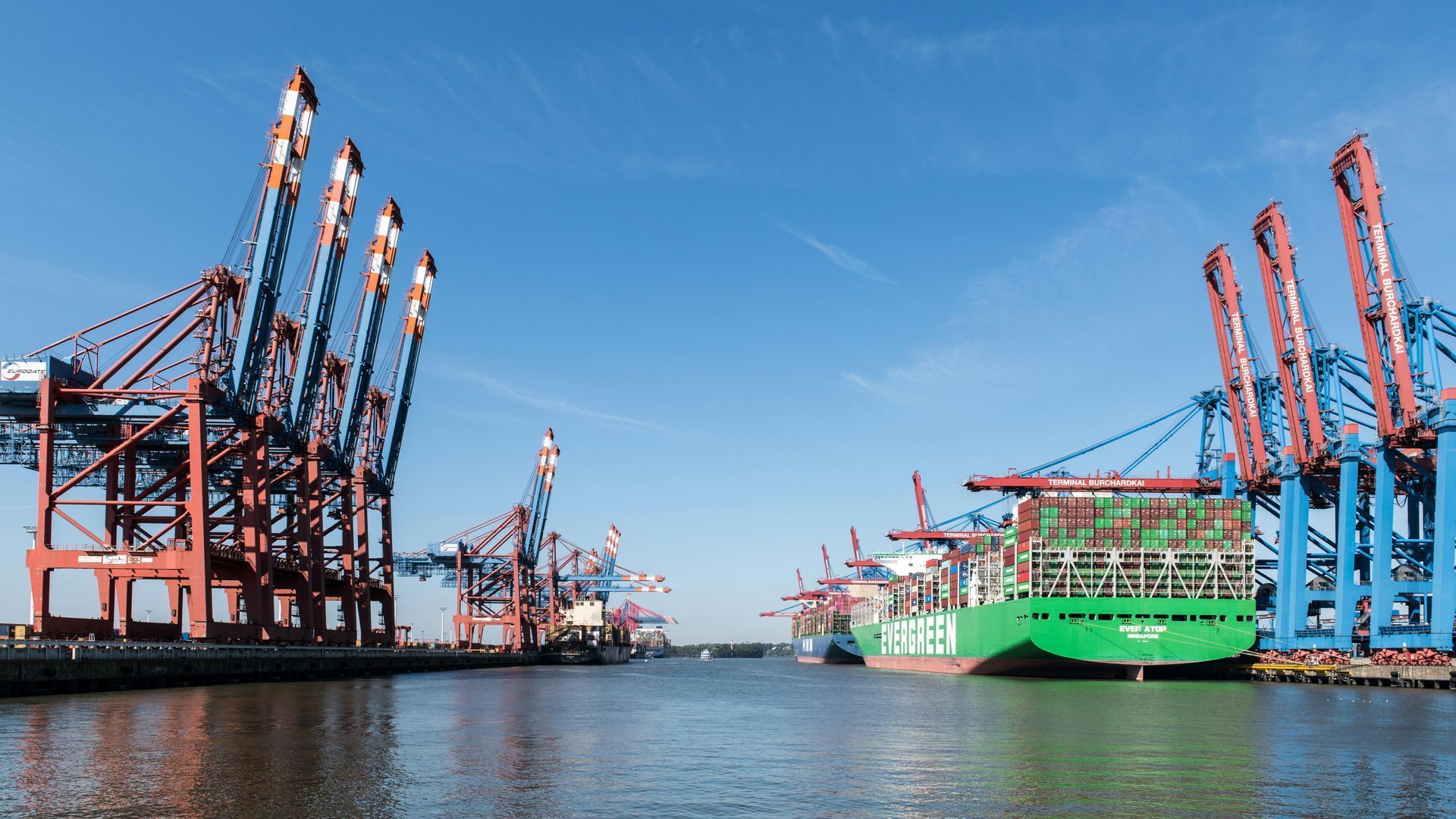
Alibaba is a marketplace. It’s not a freight forwarder. It’s not a customs broker. And your supplier is not automatically your logistics team.
Most dramas happen when a business assumes the supplier “will handle shipping” and then later discovers that “shipping” meant:
- a vague quote with missing charges
- no clarity on Incoterms
- paperwork that doesn’t match Australian requirements
- cargo arriving with nobody responsible for clearing it
That’s not bad luck — that’s missing structure.
Step 2: Choose the Right Supplier (Not Just the Cheapest One)
Alibaba rewards speed and price. Your business rewards consistency and margin.
Before you pay anything, ask for:
- Business licence(and confirm company name matches invoice details)
- Product specifications in writing (materials, model numbers, packaging details)
- Photos/videos of real production and packaging
- Lead time and production schedule (not just “7–10 days friend”)
- Sample order(yes, even if it delays things — it saves money later)
Contrarian truth: the cheapest supplier often becomes the most expensive once rework, delays, and chargebacks start showing up.
Step 3: Get Clear on Incoterms (This Is Where Costs Hide)
If you remember one thing from this entire blog, make it this:
Incoterms define who pays for what, when risk transfers, and where surprise fees are born.
The common ones you’ll see:
- EXW (Ex Works): you handle everything from the supplier door onward.
- FOB (Free On Board): supplier delivers to port and loads onto vessel; you handle the rest.
- CIF (Cost, Insurance, Freight): supplier includes ocean freight to Australia (but local charges can still sting).
- DDP (Delivered Duty Paid): “all-inclusive” (and often the source of too-good-to-be-true deals).
If a supplier says “DDP is easiest” without explaining duty/GST, clearance, and who the importer of record is — that’s a red flag, not a convenience.
Tip: For many Aussie SMEs, FOB is the cleanest and most controllable option once you’re working with a forwarder you trust.
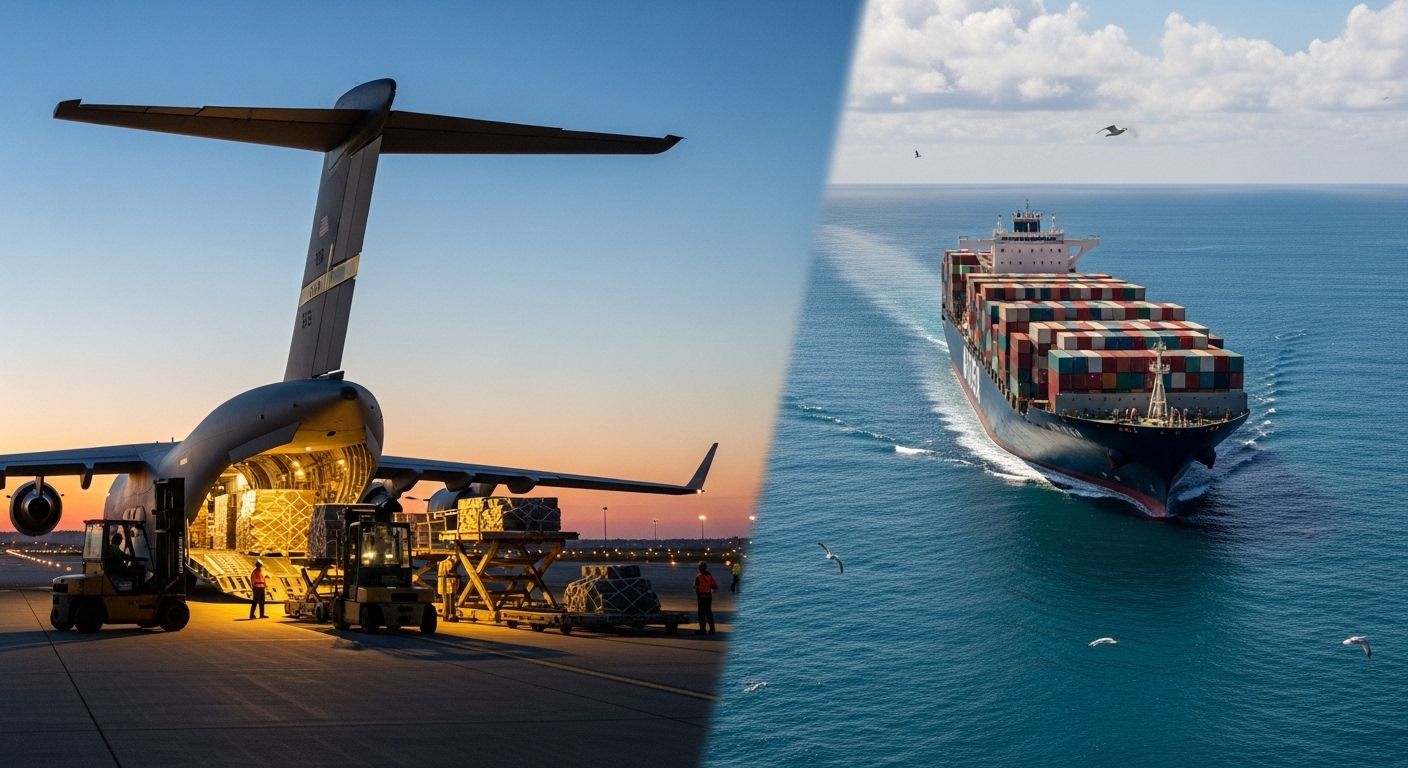
Step 4: Decide How You’re Shipping (Air vs Sea, LCL vs FCL)
The best freight mode depends on your product type, urgency, and margin — not your stress levels on a Tuesday.
Air freight tends to suit:
- lighter products
- high-margin goods
- urgent restocks
Sea freight tends to suit:
- bulkier products
- larger orders
- margin-sensitive shipments
Then you’ll choose:
- LCL: shared container (pay for the space you use)
- FCL: full container (your own container)
Most Alibaba buyers start with LCL and move into FCL once demand stabilises.
Step 5: Understand What “Shipping Cost” Actually Includes
Alibaba quotes often focus on the part that looks cheapest: origin-to-port freight.
But landed cost includes:
- international freight
- origin charges
- destination port/terminal charges
- customs clearance
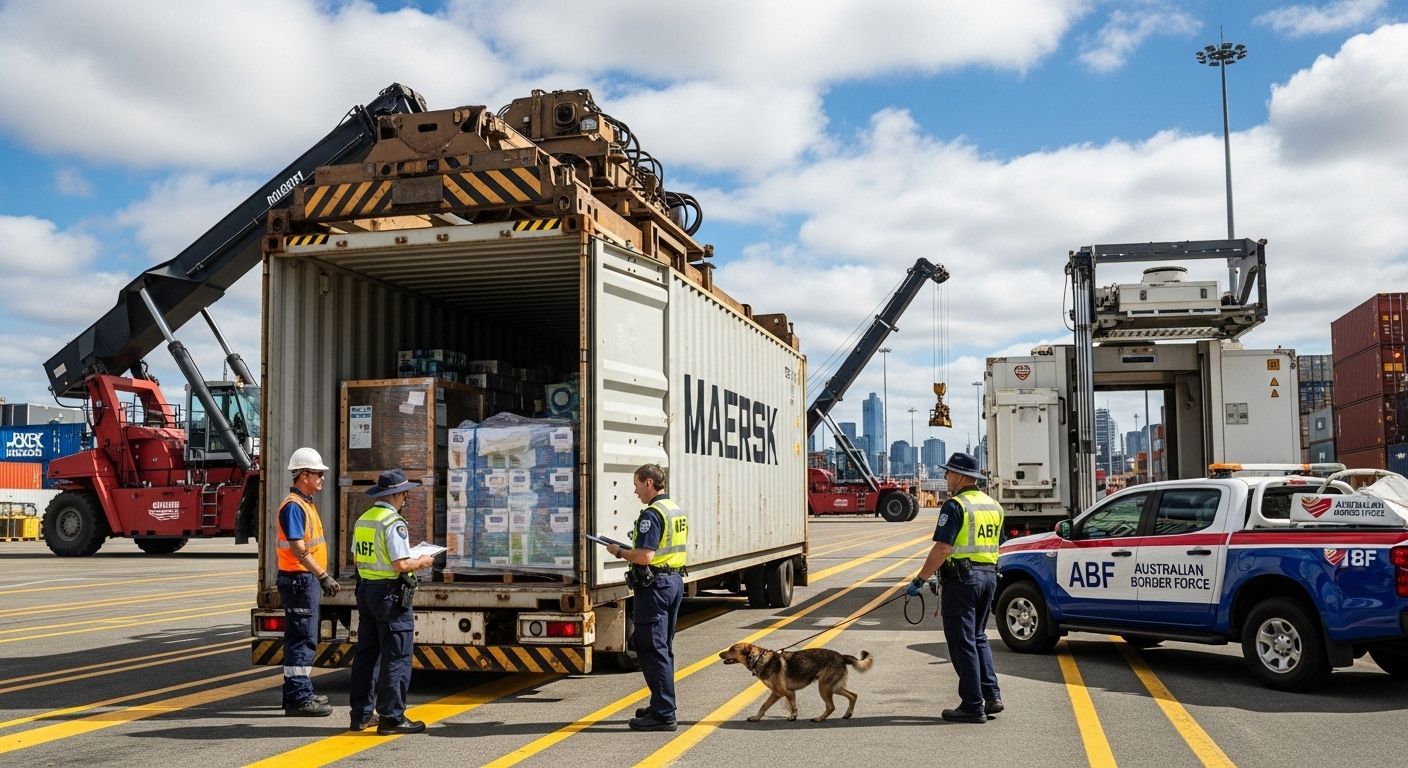
- biosecurity checks (where applicable)
- delivery to your warehouse or 3PL
- duty and GST (based on classification and value)
If you compare quotes without including destination charges, you’re not comparing quotes — you’re comparing marketing.
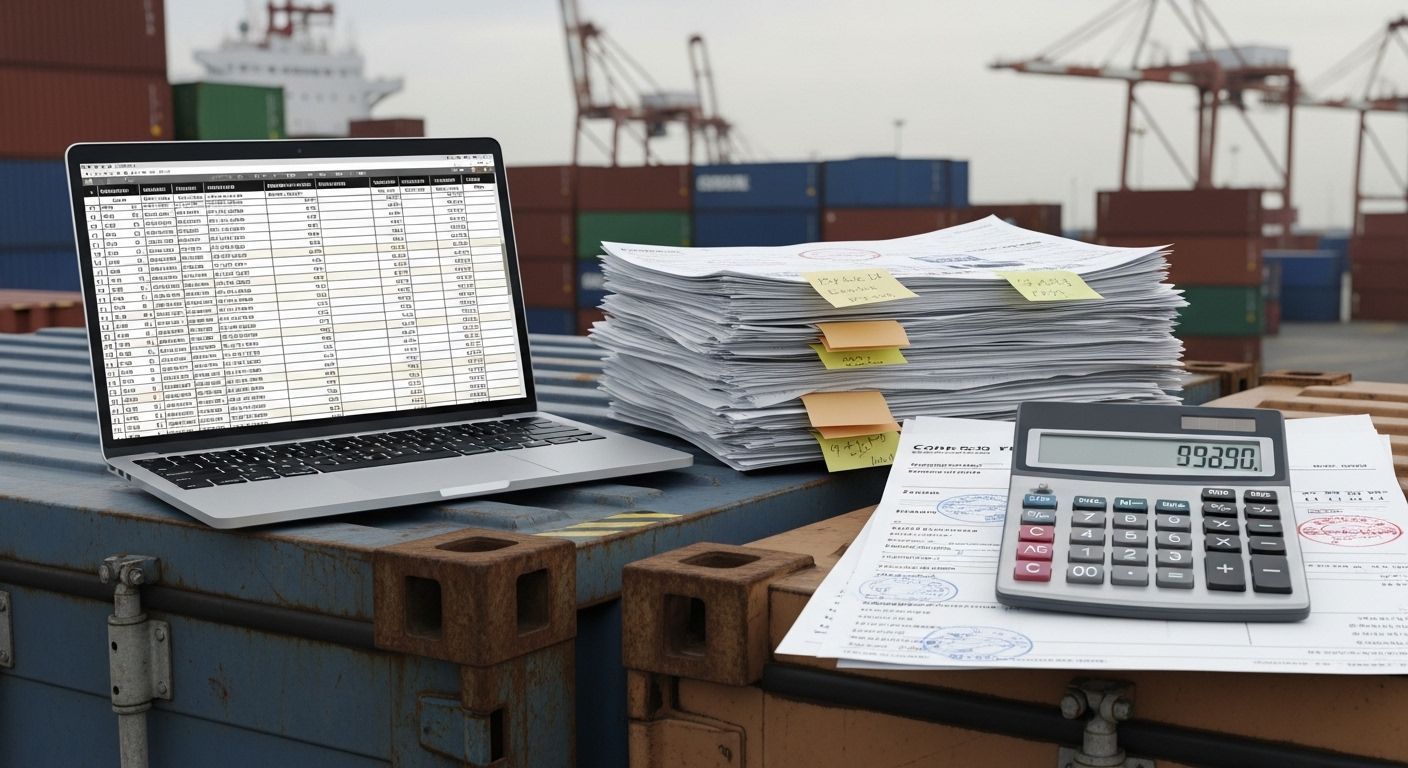
Step 6: Get Your Paperwork Right (Before It Leaves China)
Common documents you’ll need:
- commercial invoice
- packing list
- bill of lading (sea) or airway bill (air)
- permits or product compliance documents (depending on goods)
Make sure:
- supplier name and address match across documents
- product descriptions are clear (not vague like “accessories”)
- quantities and weights are accurate
- values are realistic and defensible
Contrarian truth: under-declaring value isn’t “saving money” — it’s inviting delays, audits, penalties, and a messy import history.
Step 7: Avoid These Alibaba Shipping Traps
- Trap 1: “All-in” DDP quotes with no importer-of-record clarity
- Trap 2: Supplier chooses the cheapest carrier without considering reliability
- Trap 3: No written Incoterms on the invoice
- Trap 4: You only find out about destination charges after arrival
- Trap 5: No plan for last-mile delivery (especially for LCL)
So… Should You Use a Freight Forwarder When Buying from Alibaba?
If you’re importing for business (not personal), the answer is usually yes — once you want predictability.
A good forwarder helps you:
- choose the right Incoterms
- calculate true landed cost
- avoid hidden destination fees
- handle customs clearance properly
- get your goods delivered without drama
That’s the difference between “we ordered from Alibaba” and “we built a reliable supply chain”.
Next Step
If you’re building an import model around Alibaba sourcing, your next move is getting clarity on your landed cost and freight mode.
Read next:
If your supply chain could use a pivot, we’ve got you.