What Does a Freight Forwarder Actually Do in Australia? (Complete 2026 Guide)
If you’ve ever searched “what does a freight forwarder do?” you’re not alone.
For Australian importers — especially e-commerce brands and product-based businesses — understanding exactly what a freight forwarder does can be the difference between a smooth shipment and an expensive mistake.
Let’s break it down clearly and practically.
What Is a Freight Forwarder?
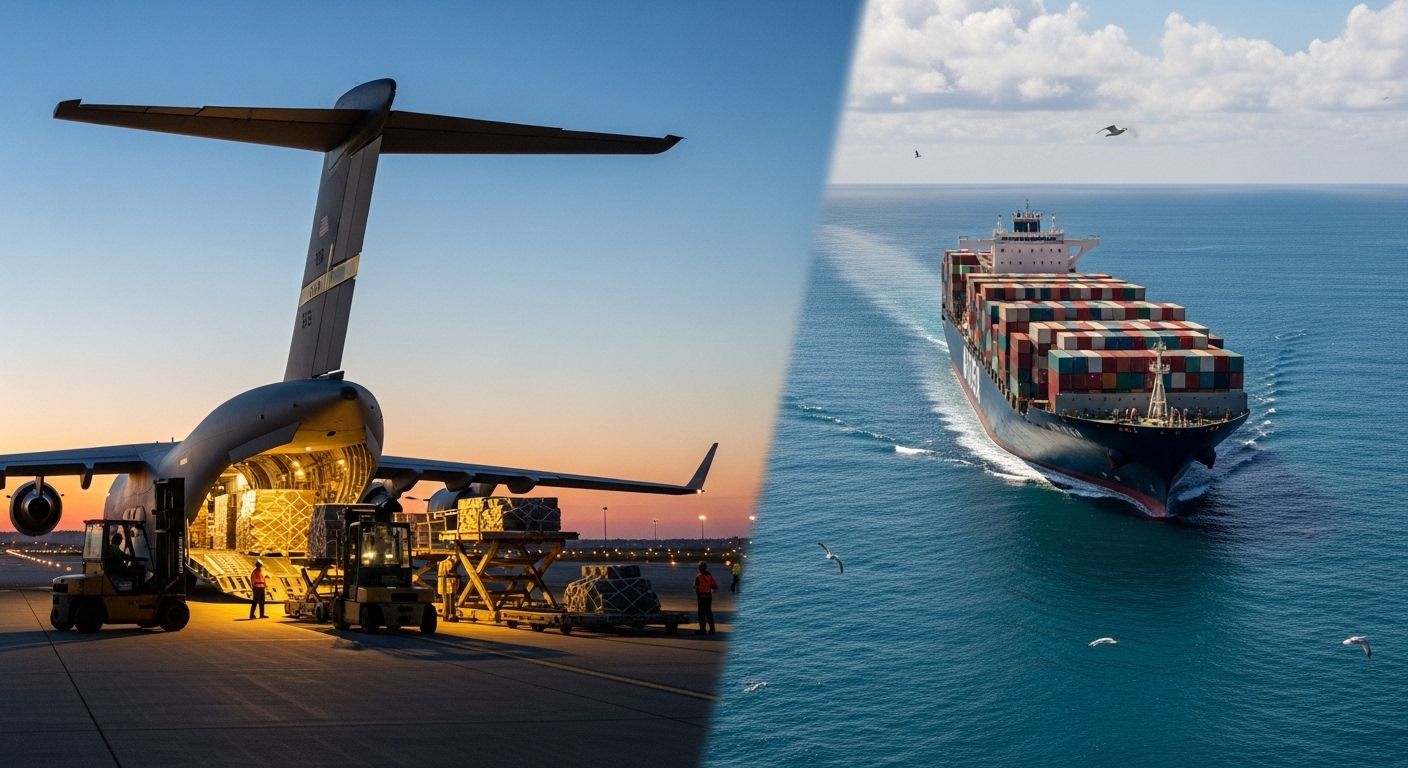
A freight forwarder is a logistics specialist who coordinates the international movement of goods by sea, air, rail, or road.
A freight forwarder does not usually own ships or aircraft. Instead, they:
- Book cargo space with shipping lines and airlines
- Manage shipping documentation
- Arrange customs clearance
- Coordinate local transport
- Oversee delivery from origin to final destination
In Australia, a freight forwarder acts as your logistics partner, ensuring your goods move legally, efficiently, and cost-effectively from overseas supplier to your warehouse.
What Does a Freight Forwarder Actually Do? (Step-by-Step)
Here is what happens behind the scenes when you engage a freight forwarder in Australia.
1. Arrange International Transport
Your freight forwarder books space on:
- Sea freight vessels (FCL and LCL)
- Air freight carriers
- Rail or road where required
They compare routes, transit times, and carrier reliability to secure the most suitable option for your shipment.
2. Handle Shipping Documentation
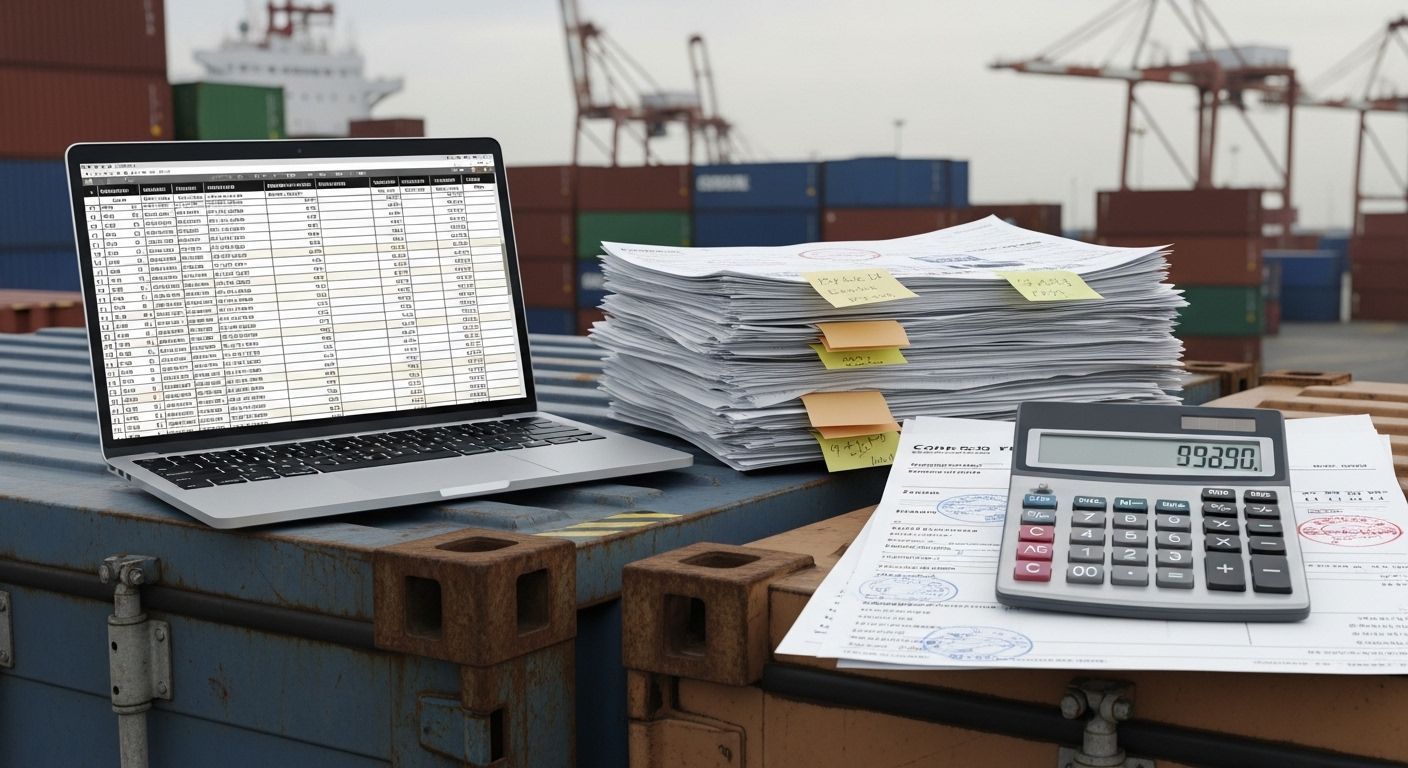
International freight involves detailed paperwork. A freight forwarder prepares and manages:
- Bill of Lading
- Commercial Invoice
- Packing List
- Arrival Notices
- Import declarations
- Certificates where required
Incorrect documentation is one of the most common causes of customs delays. A freight forwarder ensures everything is completed correctly before your cargo arrives.
3. Manage Customs Clearance in Australia
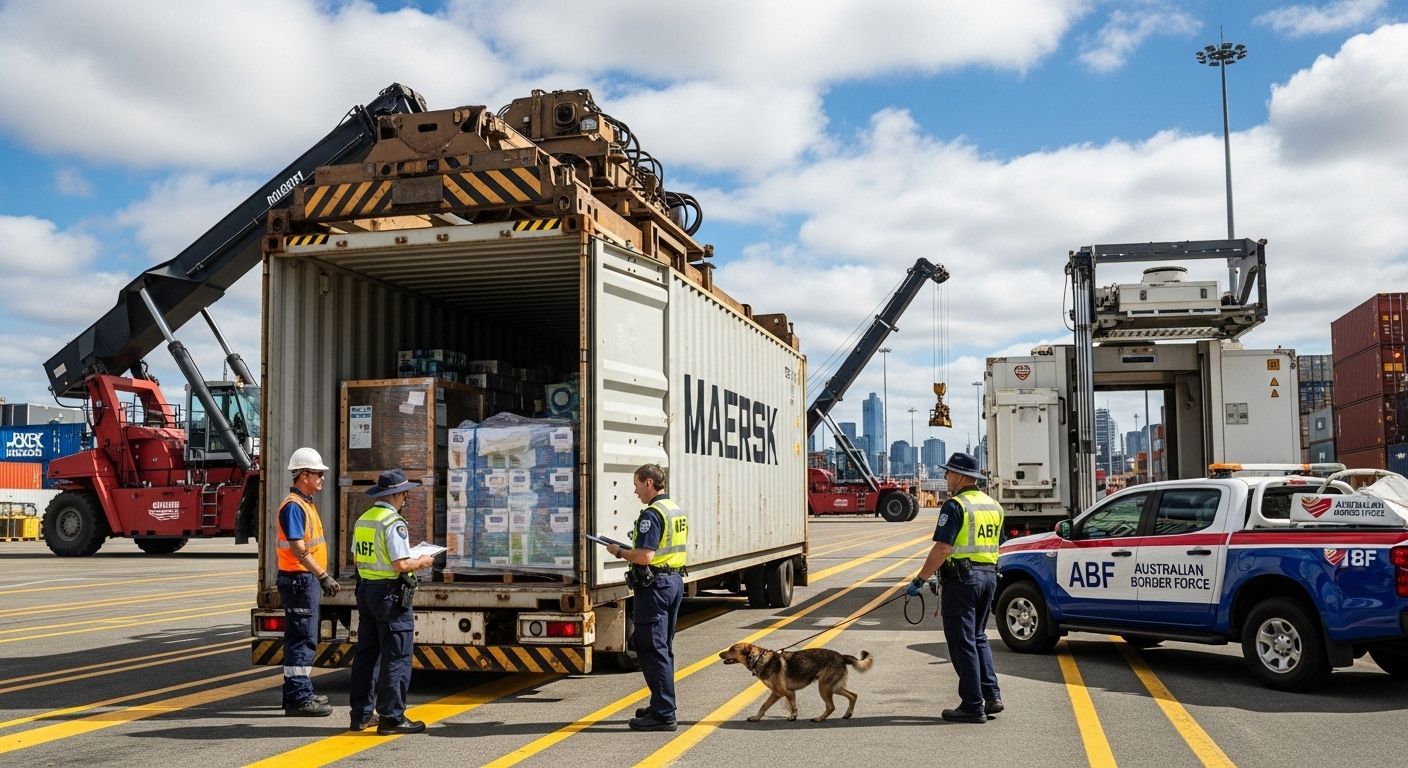
When goods arrive, they must be cleared through Australian Border Force.
A freight forwarder, often working with a licensed customs broker, will:
- Classify goods under the correct tariff code
- Calculate duties and GST
- Lodge import declarations
- Ensure compliance with Australian regulations https://www.abf.gov.au/importing-exporting-and-manufacturing/importing/how-to-import
- Arrange biosecurity or quarantine inspections if required
Incorrect customs declarations can result in penalties, delays, or seized cargo. This step is critical.
4. Coordinate Local Delivery
Once your shipment clears customs, your freight forwarder arranges:
- Wharf transport
- Container cartage
- Depot returns
- Final-mile delivery to your warehouse or 3PL
The final leg of delivery is just as important as the sea freight or air freight journey.
5. Provide Cost Transparency
A professional freight forwarder clearly outlines:
- Freight charges
- Terminal handling fees
- Customs clearance costs
- Port charges
- Quarantine fees (if applicable) https://www.agriculture.gov.au/biosecurity-trade/import/before/how-to-import
- Delivery charges
Understanding your full landed cost prevents budget blowouts and protects your margins.
What Is the Difference Between a Freight Forwarder and a Customs Broker?
This is one of the most common freight forwarding questions.
- A freight forwarder manages the entire logistics process from origin to delivery.
- A customs broker specialises specifically in clearing goods through customs.
Many freight forwarders in Australia either employ licensed customs brokers or partner with them to provide a complete end-to-end solution.
Do You Need a Freight Forwarder in Australia?
Technically, not always.
Practically, most businesses do.
You are more likely to need a freight forwarder if:
- You are importing commercial goods
- You are shipping via sea freight
- Your shipment value exceeds AUD $1,000
- You are unfamiliar with customs regulations
- You want predictable landed costs
- You want to reduce risk and delays
Small and growing businesses importing from China, the USA, India, or Europe often rely on a freight forwarder to avoid costly compliance mistakes.
How Much Does a Freight Forwarder Cost in Australia?
Freight forwarder costs vary depending on:
- Sea freight vs air freight
- Container size (20ft, 40ft, LCL)
- Cargo volume and weight
- Port of origin
- Customs duties and GST
- Biosecurity requirements
- Delivery location
There is no flat fee because every shipment is different.
A reliable freight forwarder provides a detailed quote outlining all expected charges so there are no surprises when your cargo arrives.
What Risks Does a Freight Forwarder Help You Avoid?
Working with an experienced freight forwarder reduces:
- Customs clearance delays
- Incorrect tariff classification
- Underpaid duties
- Biosecurity holds
- Unexpected port fees
- Storage charges
- Carrier miscommunication
- Documentation errors
For growing importers, these risks can cost more than the freight itself.
When Should You Engage a Freight Forwarder?
The best time to engage a freight forwarder is before your supplier ships the goods.
Early engagement allows for:
- Correct Incoterm advice (FOB, EXW, DDP)
- Accurate landed cost calculations
- Compliance checks
- Proper documentation preparation
- Shipping schedule planning
Waiting until goods are already in transit reduces your options and means you may pay more than you actually should.
What Makes a Good Freight Forwarder in Australia?
When choosing a freight forwarder, look for:
- Clear and consistent communication
- Transparent pricing
- Customs expertise
- Strong international carrier networks
- Reliable delivery coordination
- Proactive problem-solving
- Local Australian knowledge
A freight forwarder should feel like a logistics partner, not just a booking agent.
Final Summary
A freight forwarder in Australia manages the end-to-end movement of your goods from overseas supplier to final delivery.
They coordinate transport, documentation, customs clearance, compliance, and delivery.
For product-based businesses and e-commerce brands, a freight forwarder reduces risk, improves cost predictability, and simplifies international shipping.
Importing does not need to feel overwhelming. With the right freight forwarder, it becomes structured, compliant, and manageable.
If your supply chain could use a pivot, we’ve got you.
Book your consult here: https://pivotfreight.au/book-a-call
Frequently Asked Questions About Freight Forwarders in Australia
What does a freight forwarder do in Australia?
A freight forwarder coordinates international shipping, prepares documentation, manages customs clearance, calculates duties and GST, and arranges delivery to your warehouse.
Do I need a freight forwarder to import into Australia?
Most businesses importing commercial goods benefit from using a freight forwarder to manage compliance, transport bookings and customs requirements.
What is the difference between a freight forwarder and a customs broker?
A freight forwarder manages the full logistics chain, while a customs broker specialises in clearing goods through Australian Border Force.
How much does a freight forwarder cost?
Freight forwarder costs depend on shipment size, transport mode, duties, GST and delivery location. Each shipment is quoted individually.