Why So Many Women Want to Start a Product Business — And What Actually Stops Them
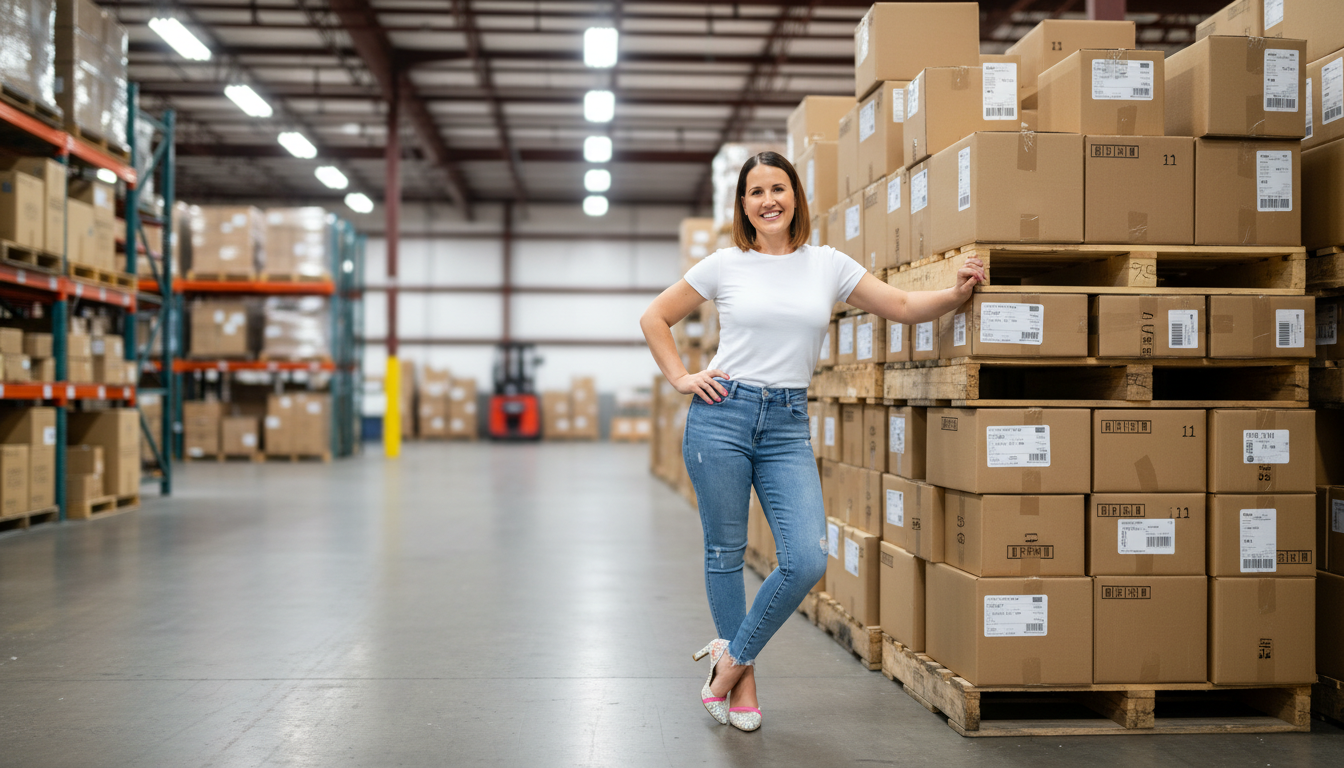
I run an Australian freight forwarding company and I have helped hundreds of first time importers move their first shipment from overseas manufacturers into Australia. Most of the women I speak with are not struggling with ideas or motivation. They are struggling with understanding how importing actually works.
Over the past few years I have noticed a very clear pattern.
I speak with women almost daily who have an idea for a product.
Sometimes it is a children’s item. Sometimes homewares. Sometimes a beauty or lifestyle product they wish existed but cannot find done properly. They have notebooks full of ideas, Pinterest boards, packaging concepts and brand names saved in their phone.
But they have not started.
Not because they are lazy.
Not because they are not capable.
And surprisingly, not because of money.
It is because of one specific thing. They do not understand importing.
Why product businesses are so appealing right now
For many women, a product business represents something very different from a traditional job. It offers:
- flexibility around family life
- ownership of time
- creativity
- scalability
- the ability to build something that continues to generate income
Service businesses are often limited by hours. A product business, once working, can sell while you sleep.
The interest is real. The motivation is real. Yet most never move past the idea stage.
The real fears no one talks about
When women reach out to me, they rarely say “I want to start a product business.” They usually start with:
“I’ve been thinking about it but…”
And what follows is almost always one of these concerns:
- I don’t know how to find a supplier.
- I’m worried I’ll get scammed.
- I have no idea what shipping costs.
- I don’t understand customs.
- What if I order stock and it’s wrong?
- What if I lose all my money?
These are not small fears.
From their perspective, they are rational.
Starting a product business requires dealing with manufacturers, payments overseas, production timelines, shipping logistics, duties, taxes and documentation. That is a lot for someone who has never done it before.
So the idea stays an idea.
The truth about importing
Here is what I wish more people understood:
Importing is not risky.
Importing is just unexplained.
The global supply chain is actually structured and predictable when you know how it works. There are processes, documents, timelines and checks in place. But most new business owners never get taught them in plain language.
Instead, they try to piece together information from Google, Facebook groups and supplier messages. They are making financial decisions without understanding what the process actually looks like from start to finish.
It is like signing a contract in a language you do not speak. Of course you would hesitate.
What importing actually involves (simple explanation)
A first product import usually follows this process:
- Choosing a supplier and confirming product specifications
- Ordering samples and checking quality
- Agreeing on payment terms
- Production with a defined timeline
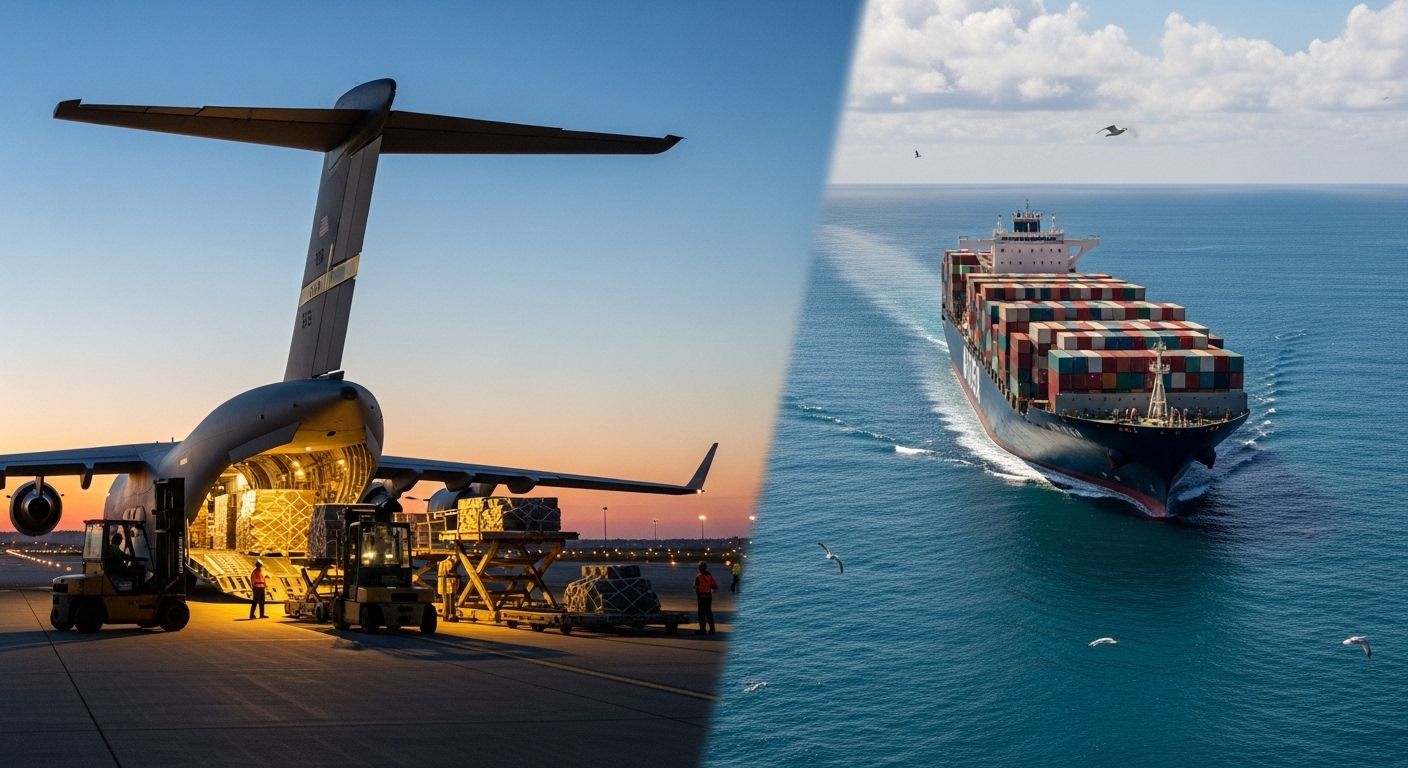
- Booking international shipping
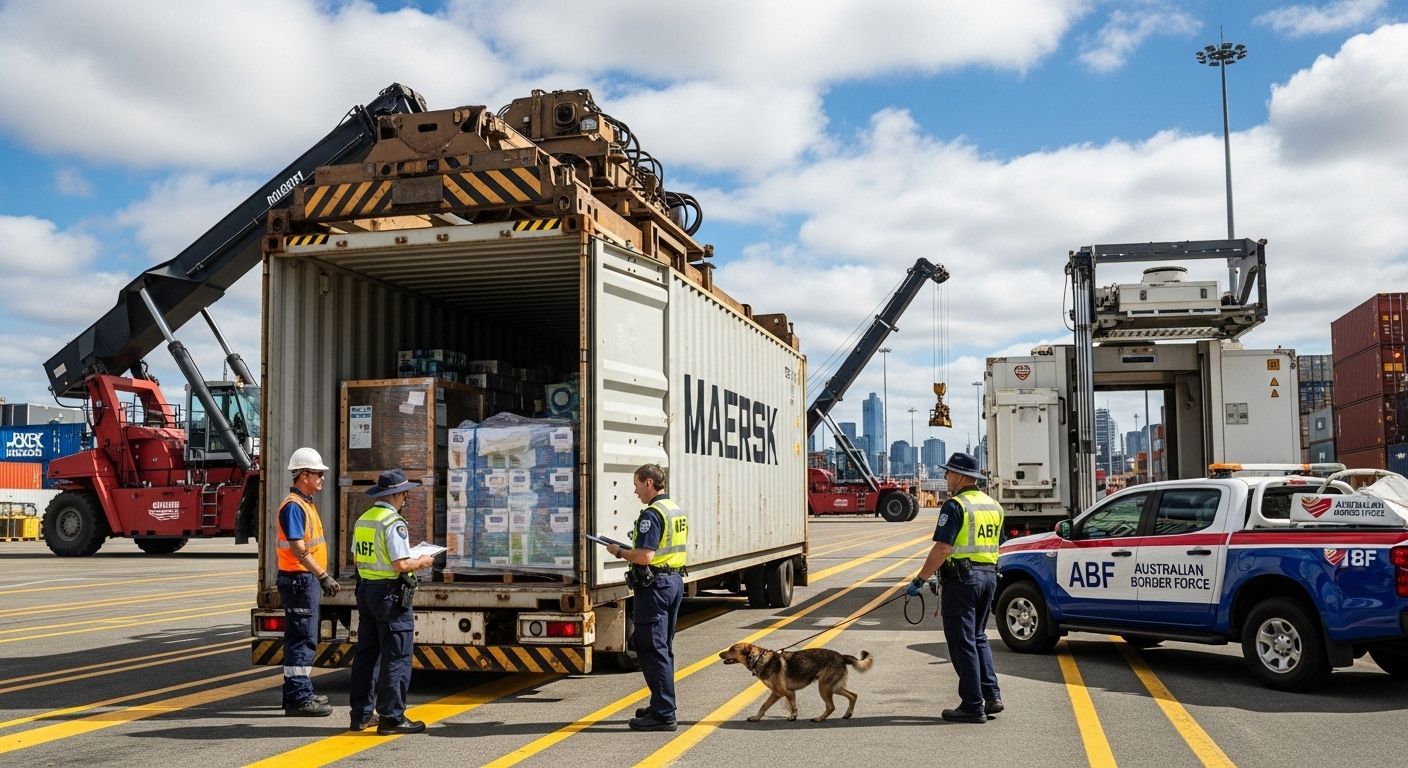
- Customs clearance and documentation
- Duties, GST and landed cost calculation
- Delivery to your home, warehouse or 3PL
Importing feels risky because most new business owners never see the whole process explained in one place. When broken into steps, it becomes a manageable project rather than a gamble.
What most beginners misunderstand about importing costs
The biggest confusion is shipping price versus landed cost.
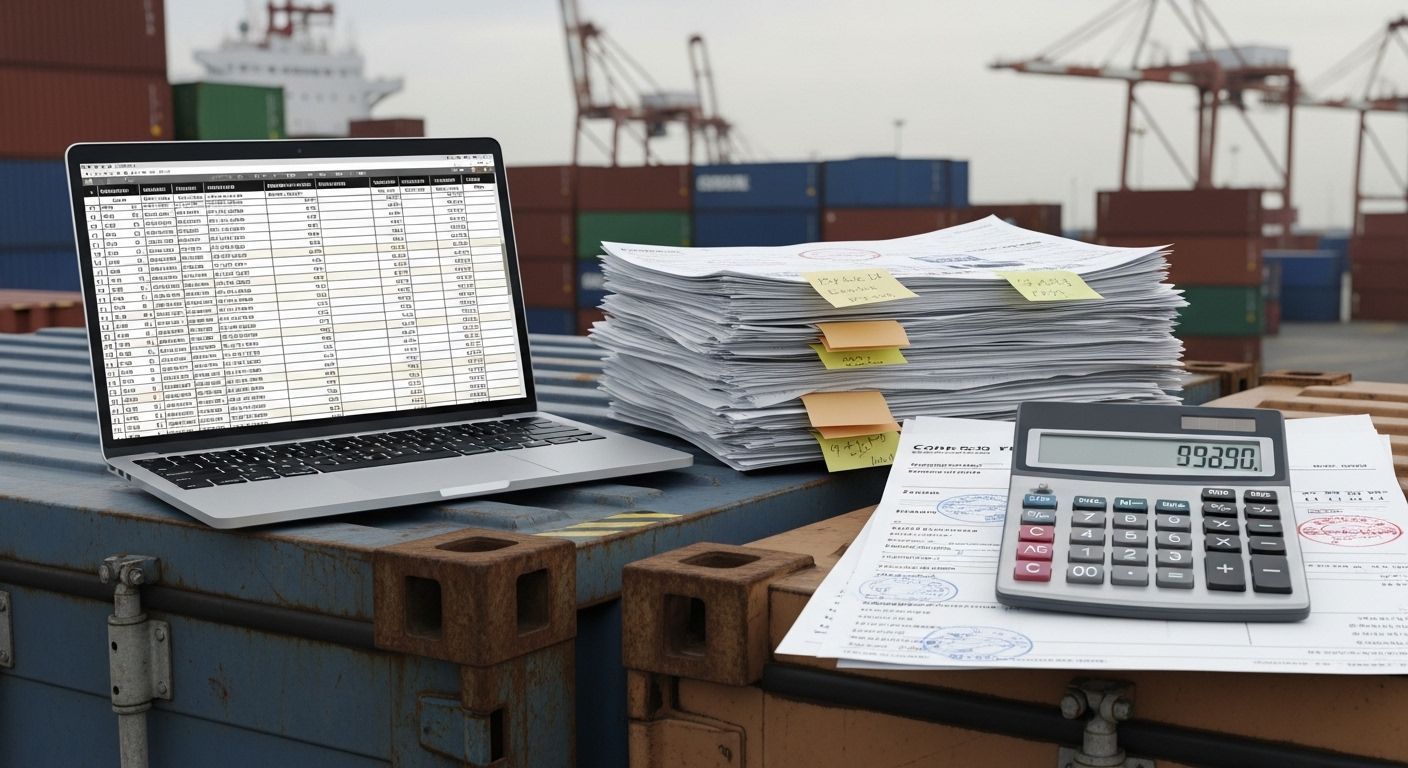
Shipping cost is only one part of importing. Landed cost includes:
- manufacturing price
- international freight
- customs clearance
- duty (if applicable)
- GST
- port and terminal charges
- local delivery
Many people abandon a product idea because they cannot calculate pricing confidently. Once they understand landed cost, they can set retail prices and margins properly.
Why knowledge changes everything
Something interesting happens when I explain importing step by step. The questions change.
Instead of:
“Is this too risky?”
I start hearing:
- Okay, so if I price it this way I’ll be fine?
- How much stock should I start with?
- Can I improve my packaging before production?
The fear disappears because uncertainty disappears.
Many women do not need motivation. They already have that.
They need clarity.
Once they understand supplier communication, production expectations, shipping timelines and real landed costs, they realise the business they imagined is actually achievable.
Why I created She Freights
After years of answering the same questions and watching people delay their ideas for months or years, I realised something.
The barrier was not business ability.
The barrier was access to guidance.
So I created She Freights not as a tour, and not as a course, but as a supported pathway into global business.
Instead of learning theoretically, participants meet manufacturers, ask real questions, see products being produced and understand how importing works in real life. The goal is confidence built through understanding.
Because once someone understands the process, they stop asking if they can start. They start asking when.
You are probably closer than you think
If you have been sitting on a product idea, you are not alone. Most people do not stop because they lack potential.
They stop because the first step feels unclear.
Business ownership does not always begin with a business plan. Sometimes it begins with someone explaining the unknown. And very often, once the unknown becomes understood, the business finally begins.
Common questions I get from first time importers
Is importing from overseas safe?
Yes, when you verify suppliers, order samples and use proper shipping documentation. Problems usually happen when people skip these steps, not because importing itself is unsafe.
How much money do you need to start importing?
Many first shipments are smaller than people expect. The right amount depends on your product size, minimum order quantity and freight method.
Do I need a company to import into Australia?
No. You can import as a sole trader or individual, although a business structure is usually recommended once sales begin.
Is shipping always expensive?
Not necessarily. Shipping becomes far more predictable once you understand freight methods, container sharing (LCL) and timing.
Author: Christine Kankkunen, Founder of Pivot Freight Solutions, an Australian international freight forwarding company, and creator of She Freights, a supported pathway helping women confidently start product-based businesses through importing.
New to importing? Start with our First Time Importer Help Centre for clear answers on costs, shipping, customs and biosecurity before you place your first order.